Method
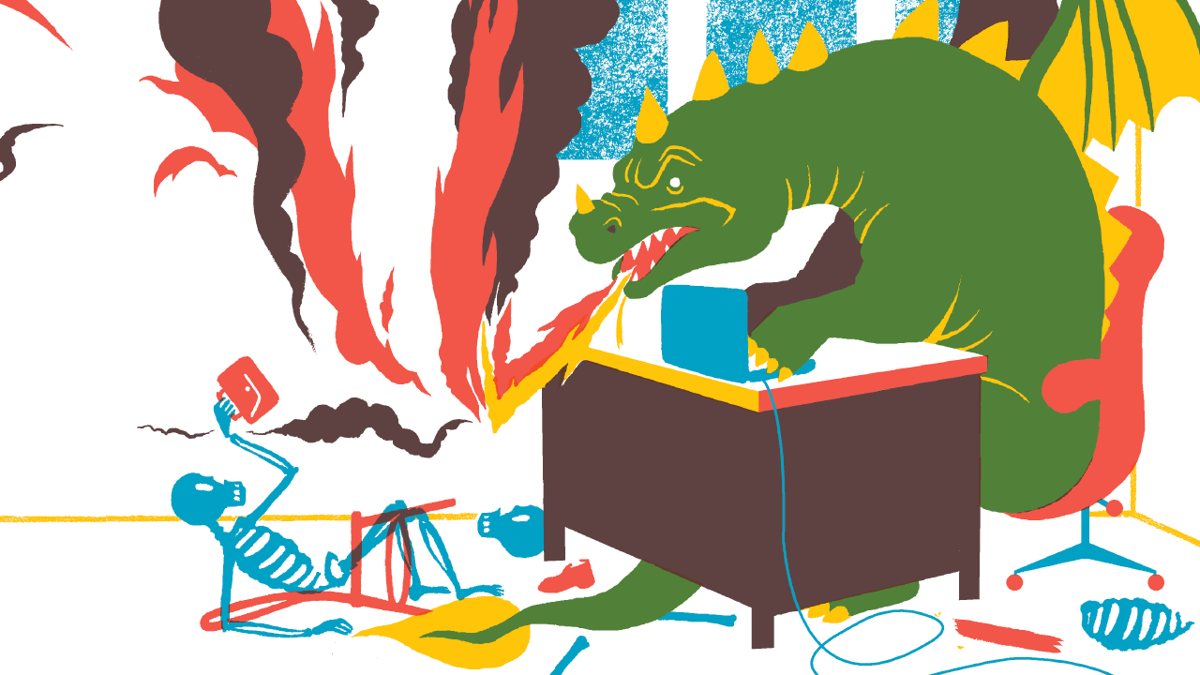
Anger is the expression of an unmet need. (Marshall Rosenberg)
"Enough of the nonsense. You created this problem, now solve it!" an irate technical manager once bellowed at his team, mid-way through fixing a bug. We were in the room.
It rarely fixes the code. Yale's Emma Seppala has shown that publicly accusing or demeaning people is one of the worst ways to get work back on track: it may discharge the manager's stress and it quietly undermines trust, commitment and the willingness to take the risks that innovation needs.
The better move is empathy, which is a skill, not a temperament. It rests on what Amy Edmondson named psychological safety: a climate where people can speak honestly without fear of humiliation. Google reached the same conclusion after its two-year Project Aristotle study of what makes teams work.

Why blame backfires
Marshall Rosenberg, who built Nonviolent Communication while studying the roots of school violence, found the mechanism. "When we express our needs indirectly using evaluations, interpretations and images, others are likely to hear criticism. And when people hear anything that sounds like criticism, they tend to invest their energy in self-defense or counterattack."
So "you lied to me" lands as an attack and gets defence. "I am disappointed, because you promised to deliver this today" states the same fact and opens a conversation.

The four parts of a request that lands
A nonviolent request has four parts: the observation (the concrete thing you saw), the feeling it produced, the need behind the feeling and the specific request you are making. The Nonviolent Requests Guide is a one-page tool that helps you build one in a high-stress moment.
- Pause. Step back and name your feeling and your need from the Guide's checklists: "I feel [feeling], my need is [need]."
- Build the request. For example: "When my idea is rejected two minutes into the presentation, I feel frustrated, because we worked six months on this. My need is to contribute to the business. Could you help me understand your decision?"
- Deliver it and listen. Aim for an answer, then build on the response. If emotion is still high, ask, "Can you help me understand what makes you see it that way?"
It scales to whole cultures
When Satya Nadella took over a Microsoft seen as stalled, he had his top team read Rosenberg's book. Microsoft's president Brad Smith later described it as the first clear sign that Nadella would change the culture as much as the strategy. The "learn-it-all" behaviours that followed, admitting mistakes and asking for help, are the same ones that let teams solve hard problems.
This week. Take the one conversation you have been avoiding and draft it in the four parts before you have it. Download the Nonviolent Requests Guide, free.
Sources: Rosenberg, Nonviolent Communication (2015); Edmondson (1999); Seppala, HBR (2015); Duhigg, NYT (2016). Illustrations by BlexBolex and Séverine Assous, illustrissimo.fr.