Method

A misaligned team is slow in a particular way. The hours go in, the results do not come out and nobody can quite say where the work leaks away.
Over two decades I have watched the same symptoms: unclear responsibilities, meetings that end without a decision, duplicated projects, shifting priorities and people working in silos.
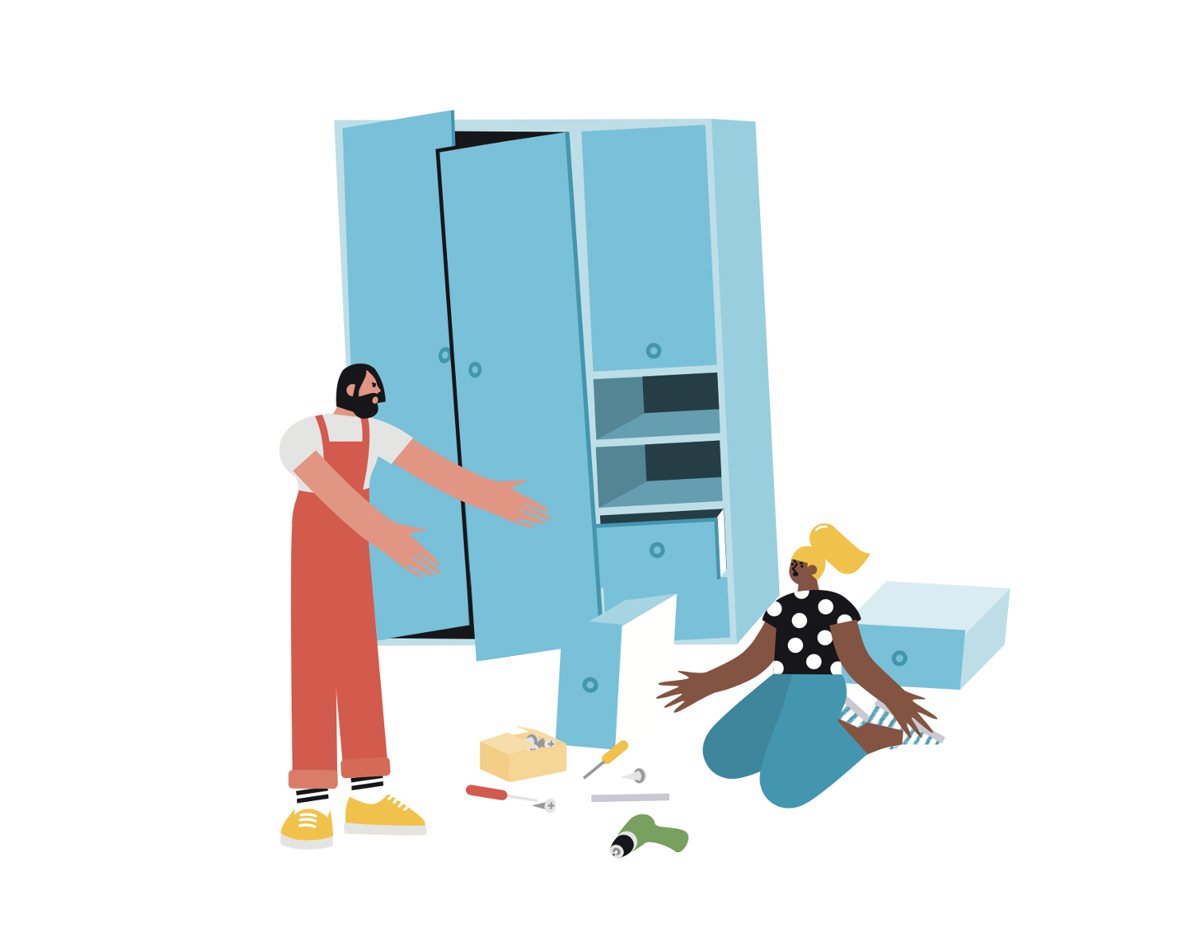
Poor results despite hard work
The deepest cost of misalignment is a bad effort-to-impact ratio. The energy is real; the division of labour and the integration are not. The team rows hard in slightly different directions.
The shared knowledge a team runs on
The Stanford psycholinguist Herbert Clark gave this a name: common ground, the knowledge, beliefs and assumptions people take as shared and keep updating as they work. "All collective actions are built on common ground and its accumulation," he writes (Clark and Brennan, 1991).

When common ground is high, people predict each other's moves and the work synchronises. When it is low, they predict wrong and execution problems follow. Alignment, then, is mostly a communication act, not a planning one. To work together, a team has to keep communicating about working together.
Why the channel you choose decides alignment
Not every channel builds common ground equally. Face-to-face conversation is richest, followed by video. Email and chat strip out the cues that let a team ground a shared understanding fast.
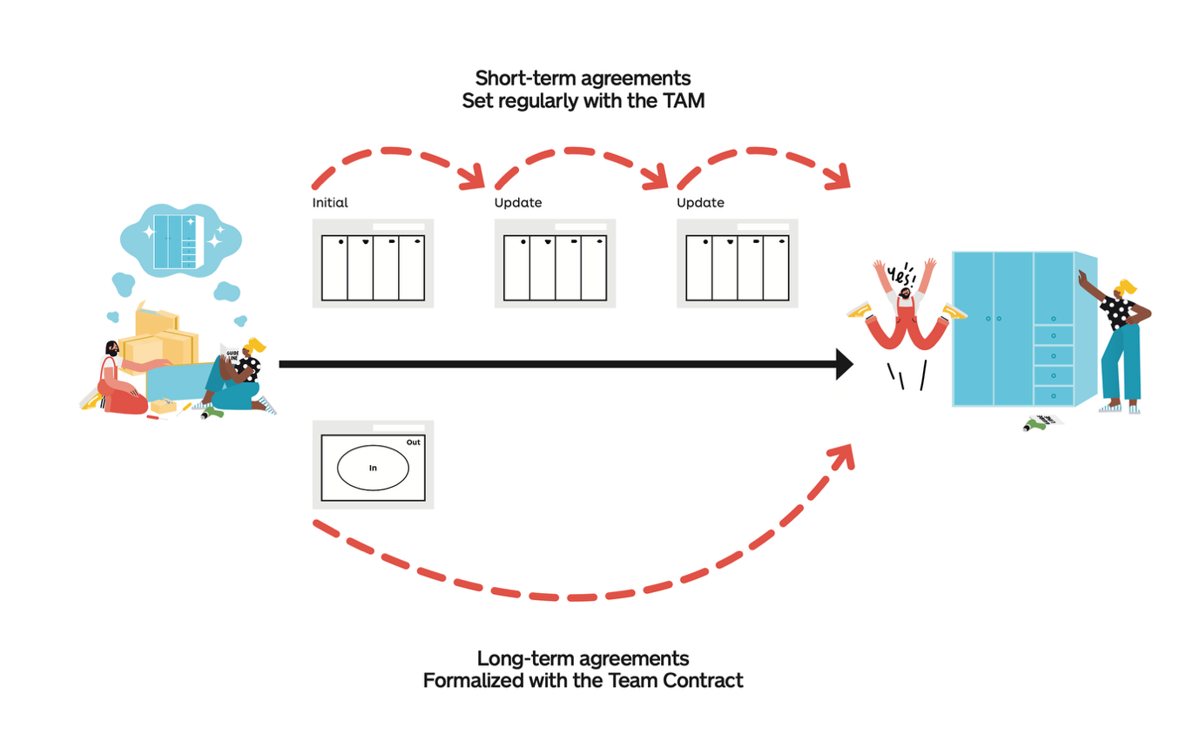
So match the channel to the task. Synchronous conversation for new work, complex problems and new teams. Asynchronous channels for incremental updates and established teams that already share the ground.
The tools that help
Two tools from High-Impact Tools for Teams are built to raise a team's common ground on purpose. The Team Alignment Map aligns the mission, objectives and risks. The Team Contract sets how the team will work together.
This week. Before your next phase of work, spend ten minutes re-grounding: each person says back what they think the goal is and the one risk they see. Download the Team Alignment Toolkit, free.
Illustrations by Séverine Assous, illustrissimo.fr. Common ground after Herbert Clark, Using Language (1996); Clark and Brennan, "Grounding in communication" (1991).