Method
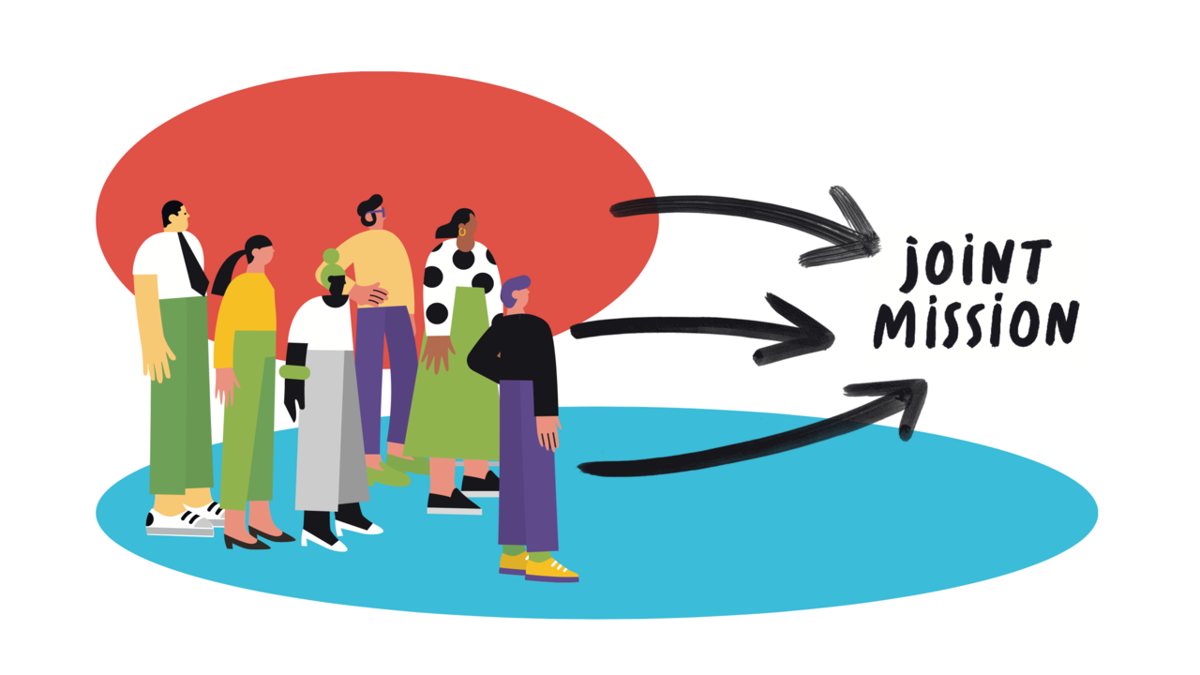
"We have too many meetings." If you have thought it or heard it, you are not alone.
What unproductive meetings really cost
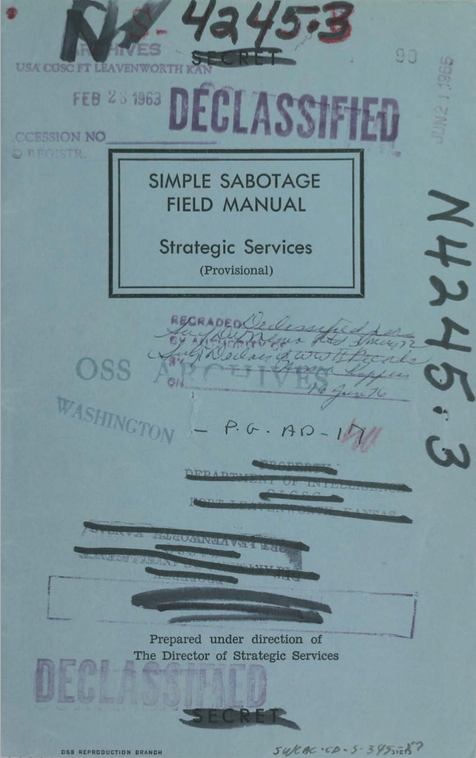
The numbers are bleak. Around 67% of meetings are judged unsuccessful, employees sit through roughly 62 a month with half a waste and poorly run meetings cost about $399 billion a year in the US alone (The Muse; Atlassian; Doodle). The pattern reads almost like the 1944 CIA Simple Sabotage Field Manual: form committees, hold long conferences, talk in circles.
What team productivity actually rests on
The meetings are a symptom. Underneath sit two conditions teams quietly neglect.
The first is psychological safety, the shared belief that interpersonal risk is safe (Amy Edmondson). Google's Project Aristotle, a two-year study of its own teams, found it the strongest predictor of high performance.
The second is common ground, the shared knowledge that lets people predict each other and act in sync (Herbert Clark). In controlled tasks, teams with high common ground complete work several times faster than teams without it.
The mistake we make about meetings
Cutting the number of meetings treats the symptom. The work is to change what people say and how they behave inside them, so each meeting builds safety and shared knowledge rather than draining both.
How to put it to work
Over the past decade we have built simple, free tools that do exactly that.
- The Team Contract sets the rules, behaviours and expectations around failure.
- The Fact Finder turns assumptions and judgements into observable facts.
- The Nonviolent Requests Guide handles conflict without triggering defence.
- The Team Alignment Map co-plans the mission so everyone contributes from the start.

This week. Pick the one recurring meeting that drains the most energy and run one tool inside it. Download the Team Alignment Toolkit, free.
Illustrations by Séverine Assous and BlexBolex, illustrissimo.fr. Sources: Edmondson (1999); Clark and Brennan (1991); Duhigg, "What Google learned" (NYT, 2016); Doodle 2019 State of Meetings; The Muse; Atlassian.